
Cleaning and Storing a Compound Bow After the Season
My bow spent four days leaning in the corner of the spare room after last season. That wasn’t the plan. I had come home late, the case was damp around the zipper, and there were boots, a cooler, and a heap of clothes to sort out first. The bow looked fine, so I told myself I would clean it the next morning. Four mornings passed.
Nothing disastrous happened, but when I finally opened the case I found a faint orange mark on one screw near the sight. That small spot changed my end-of-season routine. I no longer treat bow storage as a workshop project. It is a forty-minute job done before the case disappears into a closet.
First, I put the bow on a folded towel under a bright lamp. The towel keeps the cams away from the hard bench and catches the little pieces of grass that always seem to come home. I remove the quiver and release, empty the case pockets, and put broadheads in their own closed box. I do not press the bow, loosen the limb bolts, or start removing parts. Those jobs belong to a bow technician unless the manufacturer specifically says otherwise.
The first inspection is slow. I follow both edges of each limb with my eyes, looking for a splinter, chip, or pale mark that was not there before. I check the cams from the side to see whether an edge looks bent. Then I look at the string where it bends around the cams, around the peep, and beside the nocking point. A little surface fuzz is ordinary. A separated strand, a deep flat spot, or serving that has opened is not something I try to hide with wax.
I also make a note of anything odd I remember from the last outing. Maybe the peep turned a little. Maybe the bow made a new click. Memory gets surprisingly generous over winter; by March, every problem has become “probably nothing.” A phone photo and one sentence in a note are better evidence.
For cleaning, most of the bow only needs a dry microfiber cloth. I start high on the riser and work down, turning the cloth often so I am not rubbing grit back into the finish. A clean, soft paintbrush helps around the sight bracket, cable slide, and the recesses of the cams. The lower cam deserves extra attention because it is the part most likely to have touched soil or wet leaves.
If mud has dried hard, I use a corner of the cloth dampened with plain water. Damp is the important word. I wipe a small patch and dry it immediately. I don’t use penetrating oil, household solvent, or the silicone spray that happens to be sitting on the garage shelf. A compound bow has adhesives, synthetic fibers, and close-fitting components; a product that is wonderful on a rusty hinge may be a terrible choice here.
There is no need to force the string out of a cam track to reach hidden dirt. There is also no good reason to draw a bow in the house just to rotate a cam. If debris is trapped somewhere I cannot safely reach, I leave it for the shop. The price of a quick inspection is small compared with the price of a damaged cam—or the consequences of a dry fire.
String wax is another place where restraint helps. When the exposed fibers feel dry, I apply a thin coat of wax made for modern bowstrings and rub it in with my fingers. The warmth helps it spread. Then I wipe away what remains on the surface. I avoid the center serving and the sections that travel through the cam tracks. A thick, sticky coating collects dirt; it does not turn an old string into a new one.
Next come the accessories. I check the sight, rest, stabilizer, and quiver mounts for movement. I use the correct wrench and stop when a fastener is snug. The goal is to find a loose screw, not prove that I can strip an aluminum thread. A small paint reference mark beside an important fastener makes later movement easy to spot. If the sight or another accessory has a battery, I remove it for long storage and tape it to a note inside the case.
The case itself needs as much attention as the bow. I vacuum out grit, check the foam for moisture, and leave the case open overnight in a heated room. Closing a clean bow inside a damp case defeats the whole exercise. A reusable desiccant pack is useful once everything is already dry, but it cannot rescue wet foam.
Storage location matters more than people expect. I use an interior closet where temperature changes are modest. An attic gets hot, a basement may be damp, and a vehicle manages to be both. Heat is hard on adhesives and strings; moisture is hard on fasteners. The bow stays at normal tension in a hard case, with nothing stacked on top. If a wall rack is used instead, it should support the riser rather than hanging the bow by its string or cam.
I tape my inspection note to the inside of the case. It lists the date, any questionable area, and whether the string is due for professional attention. It is not fancy, but it prevents the familiar spring surprise: opening the case on the morning of the first range day and rediscovering an issue I meant to fix months ago.
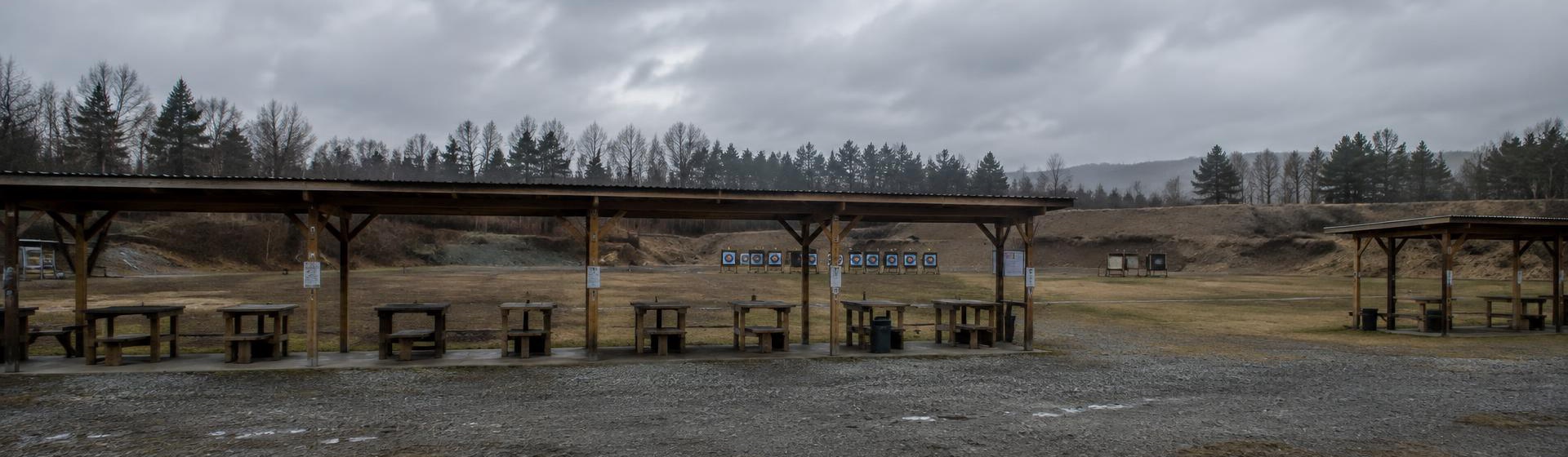
A few weeks before shooting again, I repeat the visual check in daylight. I confirm that the string is seated correctly, reference marks still line up, and no corrosion has appeared. The first session is deliberately boring—close target, a few arrows, plenty of listening. If the bow sounds or feels different, I stop.
That routine is less exciting than buying new gear, which is probably why it gets postponed. Still, the bow I neglected for four days taught me the useful lesson: storage begins before the case closes. A towel, a cloth, a lamp, and forty unhurried minutes are usually all it takes to put the season away properly.