

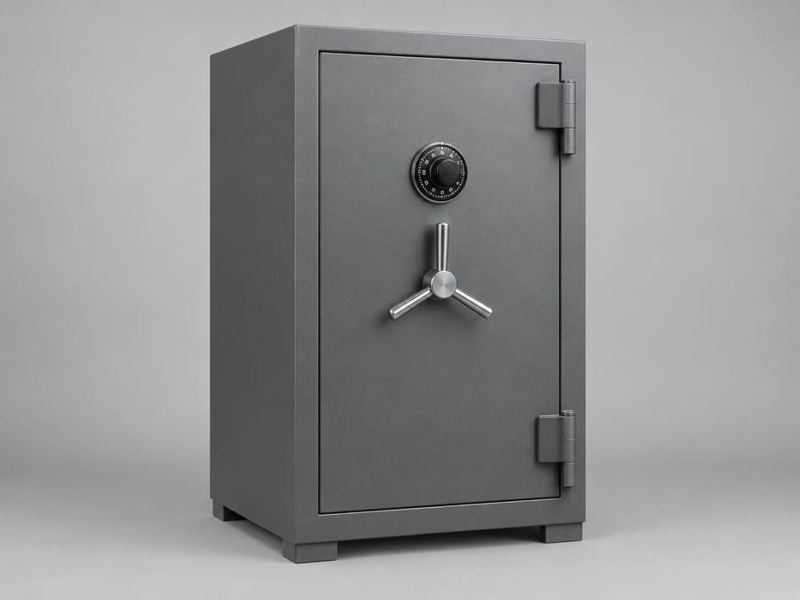
To create a Safe Home Storage Routine for Sporting Equipment we move from searching for that perfect item to creating a routine that can be checked, explained and maintained in repeatable fashion. This article covers the key areas to secure storage and turns them into a working routine. Remember to follow all local laws, posted range rules and the manufacturer’s written instructions. Also, secure repair and adjustments to your sporting arms from qualified professionals.
Start with the real use case
Using the real use case to start determining how to turn secure storage into a repeatable routine begins by determining the real conditions under which that equipment will be used. That equipment may look great in a store, but be totally impractical to use within an hour of being removed from the packaging. By first writing down a very simple description of the typical trip (i.e. length, weather, distance, mode of transport, user experience etc.), all of the following can be kept focused on that purpose: access control, separate ammunition for different calibers, inventory, controlling humidity, and communicating the home storage of sporting arms routine with family members.
Inspect before every outing
Before storing you turn secure storage into a repeatable routine by inspecting all access control, all separate ammunition, all your inventory, the humidity and all your family communication in bright light before storing them away. Are there any signs of wear, are any parts loose, is there any sign of contamination, have any items been affected by or showed signs of poor adjustment? Note any repairs or where you have had to replace items and store these notes against each item. This can take as little as 5 minutes and is far easier to remember to carry out on a regular basis than an annual check.
Make fit part of the safety check
The sporting equipment must fit comfortably to allow for safe use of the equipment. Test it while wearing the clothing you would normally wear for your outdoors activities and reproduce the same movements you would normally perform with the equipment in a field or range. It does not have to work in a warm room.
Adjust in a controlled order
Turn secure storage into a repeatable routine by changing one variable at a time. Document the changes made to the sporting equipment until all of the variables have been changed as desired. Test each change made to the sporting equipment by taking it for a short, controlled test session. This allows the test team to easily identify which change improved things and which caused problems.
Spend where reliability matters
Buy basic items. Things that will work in the field and that can be serviced and repaired when needed. Extras, such as bells and whistles, that improve performance can be purchased later. Do not get caught up in advertisements for equipment that promise to make you a better shooter. Nothing does!
Plan for weather and transport
Of course there are the weather conditions, but that should be obvious. In hot weather we need to drink more and our equipment needs to protect us from rain. In dusty areas we need to cover up all our moving parts and in cold weather small controls can be difficult to turn. And when we have returned from our outing we must allow all our gear to dry completely before storing it away in closed compartments.
Use clear range and field habits
Finally, work responsibly with others. Verify that someone else checks the items for you that you have to verify. Follow written range rules as if they were your own, and ask the staff of a shooting club or range for information on strange procedures. Also, local range commands take precedence over the best advice found on the Internet.
Clean without causing damage
Don’t be lazy. More oil, cleaning and force are not better. In many cases there are special cleaning agents for cleaning the different materials. These must be used as recommended. Be careful when applying liquids. Make sure they don’t penetrate into sensitive areas. If in doubt, refer to a trained technician. The equipment must be cleaned, dried and put away in the storage area safely.
Review the kit after the trip
Ideally, you would compare your plans with how things actually worked out on the trip. List out items that you didn’t use, things that were hard to get to and other things that you would have liked to have had in place had an unexpected delay occurred. Finally, strip out any superfluous weight from your storage kit and restock any consumables that you used up.
A simple checklist
- Confirm the purpose of your trip, the conditions under which you will be using your equipment and the local rules relating to its use.
- Inspect fit, condition and adjustment in a controlled setting.
- Only take along the protective gear and the spare parts which you really need for the planned activities.
- Log maintenance and substitute defective parts for alternatives to prevent having to make do with defective parts.
- Clean, dry and secure everything promptly after returning home.
Final perspective
Turning secure storage into routine use does not have to be complicated. Start with solid basics, test them in normal use and work step by step. That way you avoid having too many objects in storage, being rushed into thoughtless decisions and possible damage. Your practice sessions and outdoor activities then become more enjoyable and calm as well.
Practical note 1
There is a whole practice session to discover if something works. Practice slowly at first and stop the session before fatigue leads to bad technique. Write down one improvement for the next session.
Practical note 2
Remember storage locations as well as containers. This means avoid cold damp floors and areas that could be accessible to others. Label containers clearly but do not advertise what is of value inside them. Ensure that keys and codes are kept by a responsible adult.
Practical note 3
An online review provides good starting points for questions, but it can never replace a personal test of a safety aid, nor verify the condition of a specific product. Compare products personally if possible, and ask an experienced professional for advantages and limitations of products on the market.
Practical note 4
Find out quickly if an arrangement for practice sessions works as well as you hope. Go for a short session, keep the pace of play slow and write down one thing you have learned by the end of it. You will get more out of it by focusing on one thing and using it consistently than by trying to solve everything in one session.