

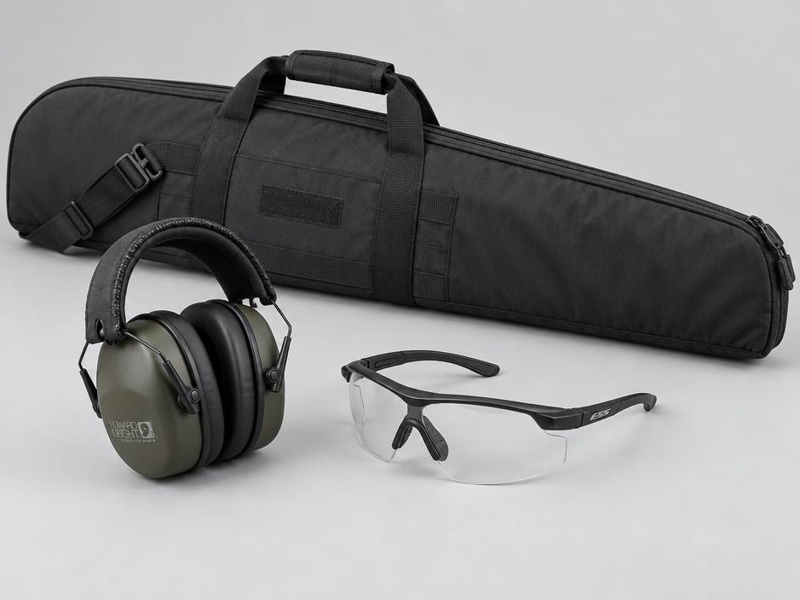
This article is not meant to describe products in search of a perfect fault in order to write a review about them. Instead the focus lies on establishing a fixed routine of checks on the arrows before every single practice session in order to make a convincing check of all parts of the arrows such as shafts, nocks, fletching, tips as well as the correct disposal of old arrows. One must always follow local laws and range rules as well as the manufacturer’s instructions. Repairs that affect the safety of arrows have to be done by authorized persons.
Start with the real use case
It is wise to choose decisions related to how to make arrow inspection a routine based on how you intend to use the arrows for practice. Many arrows look great on the wall of a store but are a real pain to use for an hour or so in the field. Write down the following for yourself: The trip that you will be taking, The weather that you expect to encounter, How far you will be shooting, How you will be transporting your arrows, And your level of experience with arrows. These considerations will help keep the discussion of the various parts of the arrow focused on the practical applications of the different components of the arrow: the shaft, the nocks, the fletching, the points, and safe disposal.
Inspect before every outing
Before each practice session, check your arrows (Shafts, Nocks, Fletching, Points and Disposal of Waste) in good light for wear & tear, looseness, contamination and that they have been properly adjusted for safe use. Make a note of any repairs made and of the date any consumables were replaced. A simple 5 minute check before each use is far easier to remember than an annual check. Repeated checks will highlight any problems with your arrows before they fail.
Make fit part of the safety check
Fit and comfort are not luxuries but safety issues. Things that pinch or move and therefore force unnatural positions must be checked for in simulated use, including worn outer clothing, and also for use under different conditions than in the warm shop. If all testing is done while standing still in the warm shop then the test have not been severe enough.
Adjust in a controlled order
Make all adjustments to your arrows one at a time and record the changes you made. Test out your arrows in a short session to see how they will perform before making any more adjustments. When adjusting multiple settings it can be impossible to tell which setting made things better and which caused problems.
Spend where reliability matters
Budget for reliability. The most sensible piece of tackle is a modest one that will fit, be maintained and have spare parts readily available. Of course you can always go for the high-end model but it will probably be too complicated to service. It’s best to first budget for protective gear, lessons from a qualified instructor and those parts which will affect safety of use. You can always go for more ‘extraneous’ gear later.
Plan for weather and transport
Whether it is left outdoors in the elements or stored in a garage or shed, the weather will expose any weaknesses in your decisions and planning. Ensure your maintenance and protection measures are simple enough to be carried with you and will not fail at the worst time. Reinspect your equipment at the end of the trip and allow time for it to dry out before closed storage.
Use clear range and field habits
others when working in a team. Others should be aware of the checks that you are carrying out. You should work under the local rules of a range or club, even if they differ from on-line advice that you have read. Local rules take precedence over on-line advice.
Clean without causing damage
Generally, the maintenance of an object is in line with the manufacturer’s requirements. Furthermore, there is more oil, more force or more cleaning better? In many cases, aggressive cleaning products can cause more damage to protective layers such as paints, materials, adhesive surfaces and optical layers than good maintenance. Use the right materials for cleaning, do not get any liquids into sensitive areas and do not continue to clean if you have caused any damage that needs to be repaired by a specialized technician. Store the object safely.
Review the kit after the trip
Track how well your planned outfitting worked once you got out on the range or on a hunt. Take note of what didn’t get used, what was hard to get at, and what would have helped in case of an emergency. Get rid of any unnecessary weight and trash out any consumables before your next trip out. Your outfitting routine will get better as you have more information about what works and what doesn’t.
A simple checklist
- Decide upon the objective, environment and club rules before choosing the appropriate gear.
- Inspect for fit, condition, and proper adjustment in a safe manner.
- Only carry necessary protective and support items for the actual outing.
- Record maintenance of all articles. Replace any damaged parts rather than attempting to repair them.
- Clean, dry and store all your outdoor gear safely after every trip to your club, range or home.
Final perspective
The process of developing a routine is repetitive and makes best use of all activities that are related to testing arrows for flight. Start with a good solid inspection and test all elements under normal shooting conditions and then go from there one decision at a time. The less chance there is for forgetting important gear, for making hasty decisions and for causing damage the better. Having a more relaxed experience during practice sessions and trips into the field is what counts.
Practical note 1
Think about the storage location as well as the storage container – i.e. avoid very hot or cold locations, damp floors, and locations that may be accessed by others accidentally. Label cases clearly but do not advertise the fact that they contain valuables – and ensure that any keys or access codes are kept by a responsible adult.
Practical note 2
Online reviews of a brand of bow are useful to list out questions that one would want to ask, but cannot confirm whether a bow is going to fit well, or if it has been kept in good condition. Compare like products side by side in a store, and get a recommendation from an experienced Archer.
Practical note 3
Don’t try to try to solve all of the issues within one day of practice. Even a short session of practice is better than nothing and you will quickly discover whether it is working or not. Stop practicing before you start to get tired as tiredness can impart poor technique.
Practical note 4
Be sure to store a Quiver or Spearcase in a place that is not subject to excessive temperature fluctuation and is not on the floor (to prevent dampness). Store the case in a locked location, and be sure to label the case so that it is obvious that it contains high value gear, and keep the keys to the case with a responsible adult.
Practical note 5
Online reviews may highlight points to consider when buying a particular piece of equipment. But reviews cannot tell you whether an item will fit, or whether an individual item has been used and is near the end of its life. Go and try out as many of the options as you can, and get the view of an experienced practitioner on the pros and cons of each item.