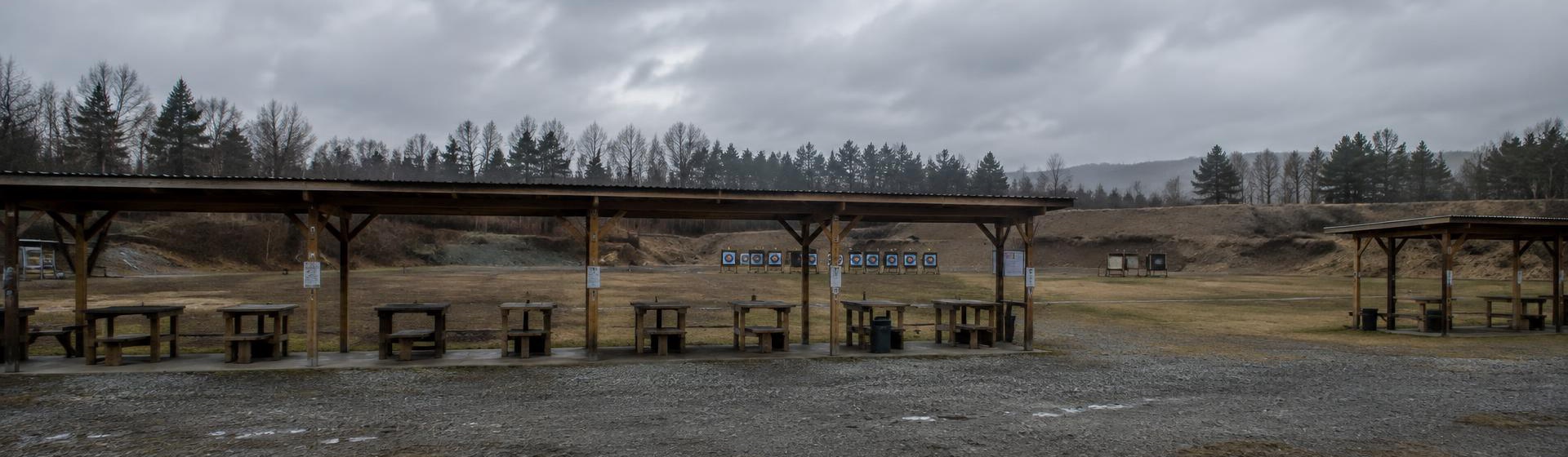

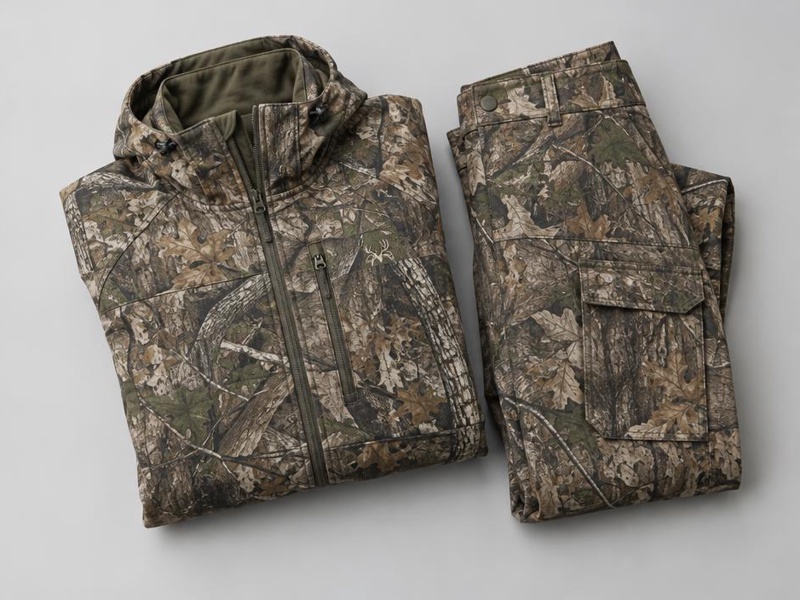
Building a Practical Layering System for Wet Weather Hunts does not have to involve seeking out the one perfect item. Rather, it involves building up a system that can be checked, explained and maintained in good order. Have good wet weather gear and use it responsibly. This means checking that you are allowed to use your gear on a range and that you comply with any posted range rules. Make sure that you use your gear in accordance with the manufacturer’s maintenance and repair instructions and seek the help of a qualified person when repairs or alterations to your gear could endanger life.
Start with the real use case
The conditions for use of your functional gear will define your good decisions for use on the hunt before it. The length of your trip, the weather you will encounter, how long you will be in the field for, how you will be traveling to and from your hunting spot, and the level of experience of the hunter(s) using the gear will define your choices. This simple list ensures that all five components (moisture transport, insulation, outer layers or ‘shells’, ventilation and spare layers) are considered within the real context for which the gear will be used.
Inspect before every outing
Check your equipment for wear of all parts: moisture transport, insulation, outer layers (shells), ventilation (zippers, openings, cuffs, hood), spare layers (in your pockets). One item at a time. Make a note of any repairs or date of replacement. This 5 minute check up will expose any problem with your functional gear before you go out.
Make fit part of the safety check
You check the fit of the equipment before you go out for a trip, whether you are going on a short walk or a long climb. Make sure all parts of the protective gear are comfortable and won’t get in the way of your movements. Test the wearing of your gear with the clothing you would normally wear for the activity, and practice the sort of movements you would do when out on the trip. Don’t just test it standing still in a warm room.
Adjust in a controlled order
Remember to alter one variable at a time and record your findings prior to making further changes to test and fine tune your hunting equipment. Remember to test the changes in short controlled sessions in order to be able to notice any positive or adverse changes in order to subsequently fine tune your gear.
Spend where reliability matters
Budget for durability first. Yes, there are better products out there but if they are too complex then it will not last long enough. Spend the money on the critical items i.e. protective equipment, qualified instructors and spare parts for critical items. Then you can treat yourself to the rest of the gear needed for your outdoor adventure.
Plan for weather and transport
Heat makes you drink more to stay hydrated, rain tries to get in through any openings that haven’t been sealed, and dust can get into all sorts of nooks and crevices of your moving parts. Cold makes small controls harder to turn, so pack a way to protect or dry off important bits of gear, and check it out after your trip to make sure it’s gone to (closed) storage to dry out fully.
Use clear range and field habits
It’s also important to have others know what you are checking. Ensuring that all people in your party know what you are checking for and following the posted range rules and instructions of staff at ranges and clubs is also important. Do not rely on on-line advice for adjustments to equipment, local range commands take precedence.
Clean without causing damage
Clean equipment as set out in the manufacturer’s maintenance instructions. Add more oil, use more force or cleaning agents of greater aggression only when specified by the manufacturer. Note that lubricants, cleaning agents, etc. can damage leather, rubber, adhesives and optical coatings. Do not use liquids on sensitive areas. Continue to clean until damage occurs and maintenance needs to be done by a trained technician.
Review the kit after the trip
Look at what didn’t get used. See if anything was inaccessible when you needed it. List the things that would have come in handy if there was an unexpected problem and forget them for now. Remove weight and throw away consumables to make room for new items for your next trip.
A simple checklist
- Confirm the main objective of your trip and the local conditions and rules before deciding on what kind of equipment you will need.
- Inspect for fit, condition and correct adjustment in practice.
- Only pack to protect and support what you need on the trip.
- Check if something needs to be repaired instead of being used for temporary fix and record the maintenance of all the gear.
- Clean, dry and store all outdoor equipment as soon as you get home from your trip.
Final perspective
The best approach in this constantly changing wet weather is to be to play consistently good golf using solid fundamentals in normal practice sessions and then improve that one step at a time. Then all outdoor sessions, practice or play, will be more relaxed and of greater value.
Practical note 1
When choosing where to store your protective and support equipment make sure it is not in a place that will be subject to fluctuating temperatures, damp floors or where children or other unauthorized persons could get into it. Label the containers and ensure that the keys to locked containers or access to equipment stored in locked rooms etc are kept by responsible adults.
Practical note 2
Be cautious of online reviews. When purchasing online, try to compare like with like, and ask an expert to explain the pros and cons of each item and how they will fit you. Where possible, try to purchase equipment in person.
Practical note 3
When putting these tips into practice on the course, you will quickly find out if they are any good or not. So use a short practice session on the course to test them out. Try to keep the pace of play slow to start with and write down one thing you have learned before you start to get tired. Try to be consistent and don’t try to sort everything out in one day!
Practical note 4
Storage location is as important as the container itself. This should be away from extreme temperatures, damp floors and from view of would be thieves. Containers should be clearly labeled but without advertising what is of value within them. Access to keys etc. should be restricted to a responsible adult.