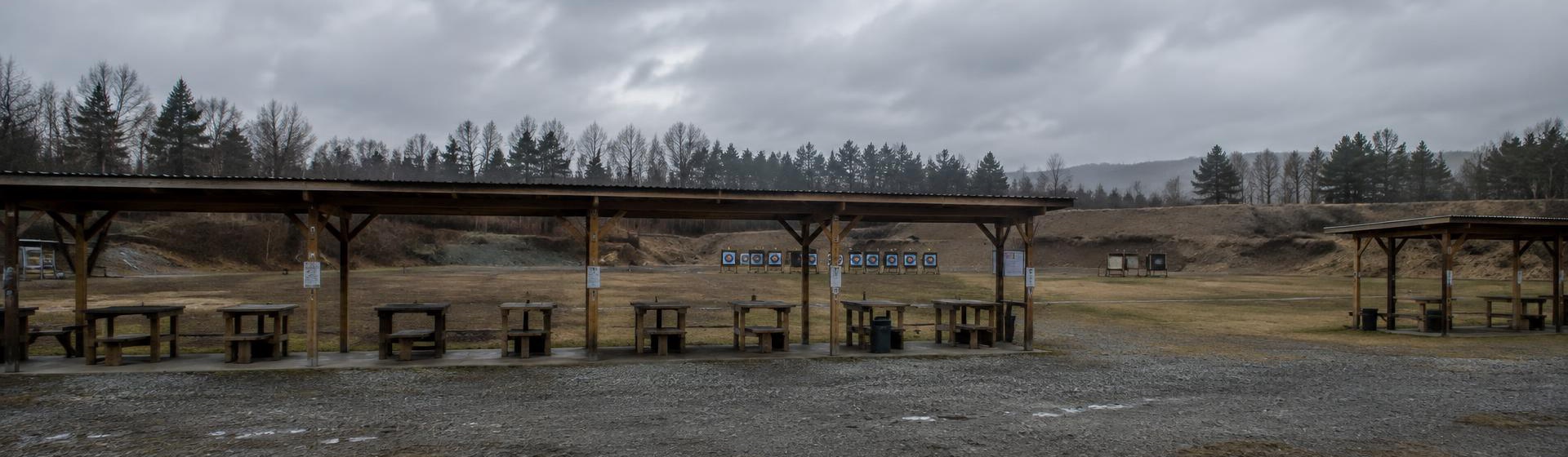

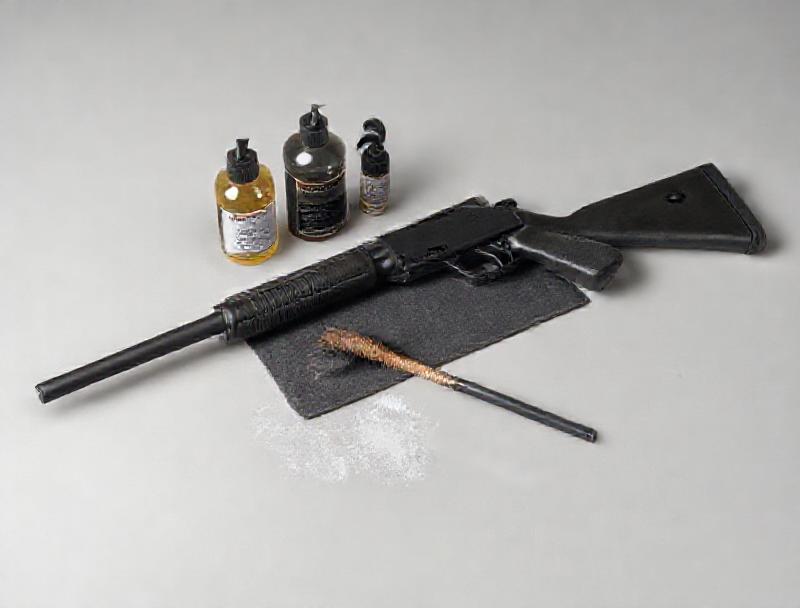
There is no one product for Boot Care After Mud, Rain, and Long Miles. Here we have outlined a maintenance program, detailing the very basic care to bring your hiking boots back to full fitness, after especially long and demanding treks, covered in mud and exposed to lots of wet. Local laws, as well as posted range rules must be strictly adhered to. We also urge to seek qualified assistance should a repair or adjustment in any way impact upon safety.
Start with the real use case
When selecting something to look after your boots after long periods of use you should start by looking at your actual use. This means writing down the typical length of your trips, the typical weather, the typical distance you travel, how you will be transporting the boots, and the typical user. This will keep mud removal, slow drying, specific materials, laces and soles connected to a real purpose rather than just a list of features.
Inspect before every outing
Mud removal, slow drying, material specific care, laces and sole inspection need to be checked in good light prior to use. These basic maintenance items can degrade quickly and must be checked on a regular basis. This is done on an individual basis and any repairs or replacement items noted on a small notebook. Once checked the items are simply left and inspected prior to use on subsequent trips.
Make fit part of the safety check
Fit and comfort are safety issues. Gear that pinch, rub or cause you to move in an unnatural way to complete a task encourage slack maintenance and lead to problems being addressed when least desired – out in the field. Test in wearing the same type of clothing as you would be wearing outdoors. Replica movement is crucial too – don’t just test standing still in a warm room.
Adjust in a controlled order
1 change at a time! If you make a number of changes it can be difficult to work out which change provided the improvement and which introduced a problem so record your changes and put the new item through a short test of the type of activity you will be doing with it before making any more changes.
Spend where reliability matters
Before buying accessories spend your money on the fundamental elements that ensure your safety and enable you to use your equipment in a safe and reliable manner. In many cases even very cheap gear is better than expensive models which cannot be properly maintained and repaired. Protective gear, good instruction and basic parts to maintain and repair your gear are more important than fancy accessories.
Plan for weather and transport
Remember to take into account the weather when organizing a trip and make sure to bring items to protect your boots and to dry them out if they get wet. Wait for your boots to completely dry before storing them away in closed storage.
Use clear range and field habits
Responsibility means other people are involved in your checking of your own equipment. Tell your partner what you are checking. Follow the local range or club’s rules as posted. If you are unsure of a procedure ask the staff member for that activity for that range. Local commands take precedence over any online advice for any activity at any range or club.
Clean without causing damage
Use what the manufacturer recommends for cleaning the equipment. Don’t use more oil, more cleaning or more force than is required. There are aggressive cleaning products on the market that can damage protective finishes, tear seals, dissolve adhesives and even attack coatings such as lens coatings. Avoid using these types of products for cleaning your outdoor gear and always clean the equipment with the parts submerged in water or cleaning solution to prevent liquid from entering sensitive parts. Store the equipment in a dry, clean area to prevent damage.
Review the kit after the trip
At end of day go through list of what you took with you, noting what you found you didn’t use, what you found difficult to get to, and what you would have found useful in an emergency. Throw away anything redundant, and restock consumables for next time’s outing.
A simple checklist
- Check the planned usage for the session (goal of the session, weather, club rules).
- Check fit, condition, wear etc of all items that will be needed in a controlled setting.
- Only carry what you need for the trip (protective and support items).
- Log the maintenance and when items have to be replaced as opposed to fixing them to patch them up temporarily.
- Clean, dry and store the equipment in the right place.
Final perspective
Don’t make hard work harder – let the best approach become second nature to you. Remember that your hard work can be made even harder by poor, last minute decisions about your equipment. The key is to make each practice session and each trip out as calm and as useful as possible.
Practical note 1
If purchasing online, don’t rely on reviews. You will have no idea whether the boot will fit or whether particular items are old and worn. Where possible, try on boots in person and get the best person possible to explain the benefits and weaknesses of the various models.
Practical note 2
Wait a short while to see how it works. Hold the pace of your lesson, and stop before you or your horse become tired. Record one helpful clue before the session ends. Consistency is more important than trying to sort out everything in one session.
Practical note 3
Where you store your gear is just as important as what you store it in. Avoid storing near sources of heat or damp, on floors that could leak, or in locations that could be accessed by others accidentally. Store your keys or codes for lockers etc. responsibly.
Practical note 4
As mentioned above, online reviews can form the basis of certain questions but will not enable you to test the boots for personal fit or assess the condition of a particular item. In all cases it is best to try on boots in store and seek the advice of an expert.